Mud Brick House
Our approach was one of retention, repair and transformation. The existing footprint was maintained in its entirety. The original concrete floor was retained and ground back, while the brick floor of the Knox addition was carefully preserved. The mud brick walls remain the heart of the home. Existing brick-veneer walls were largely retained, with new structural openings introduced and surfaces bagged to complement the texture of the mud brick.
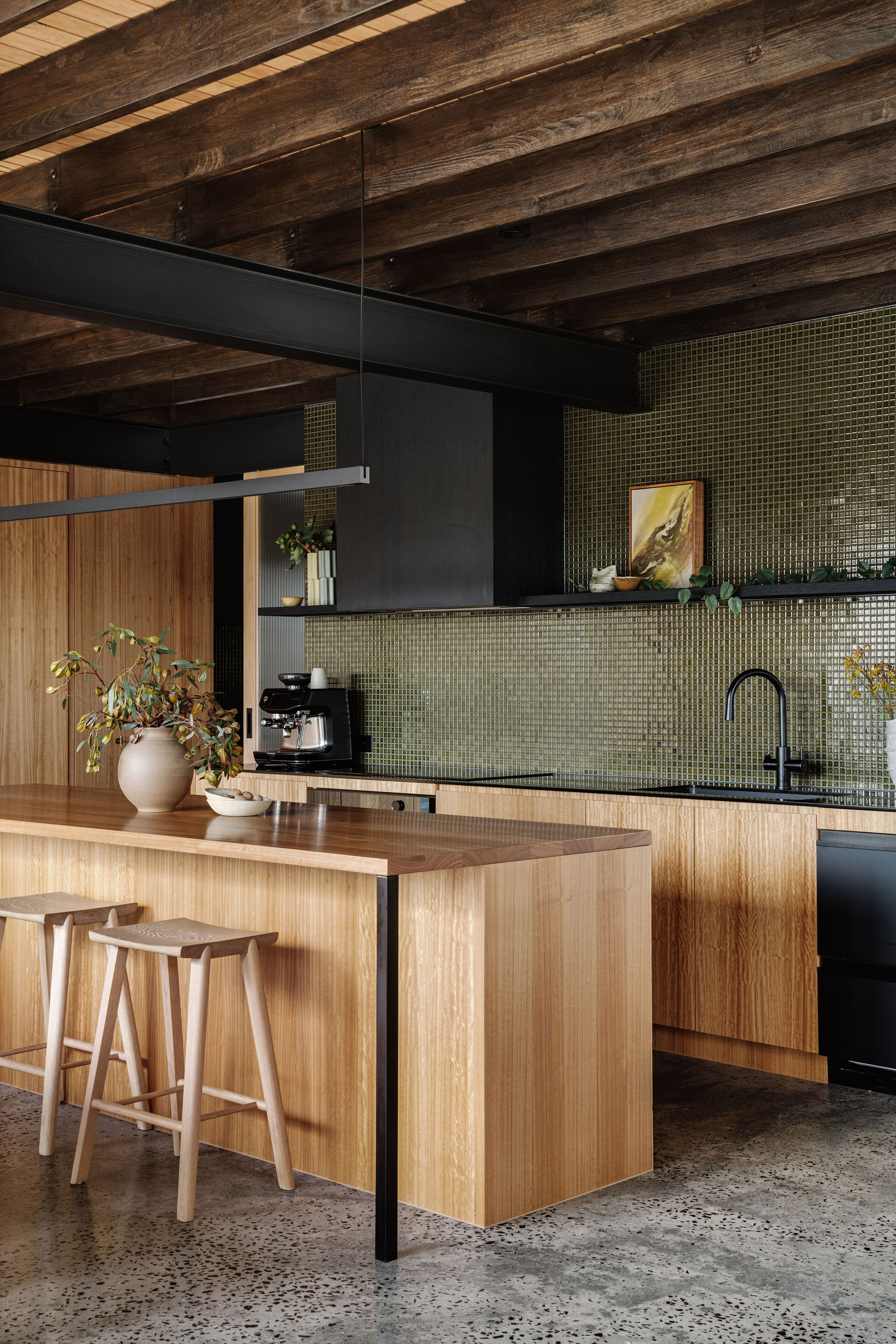
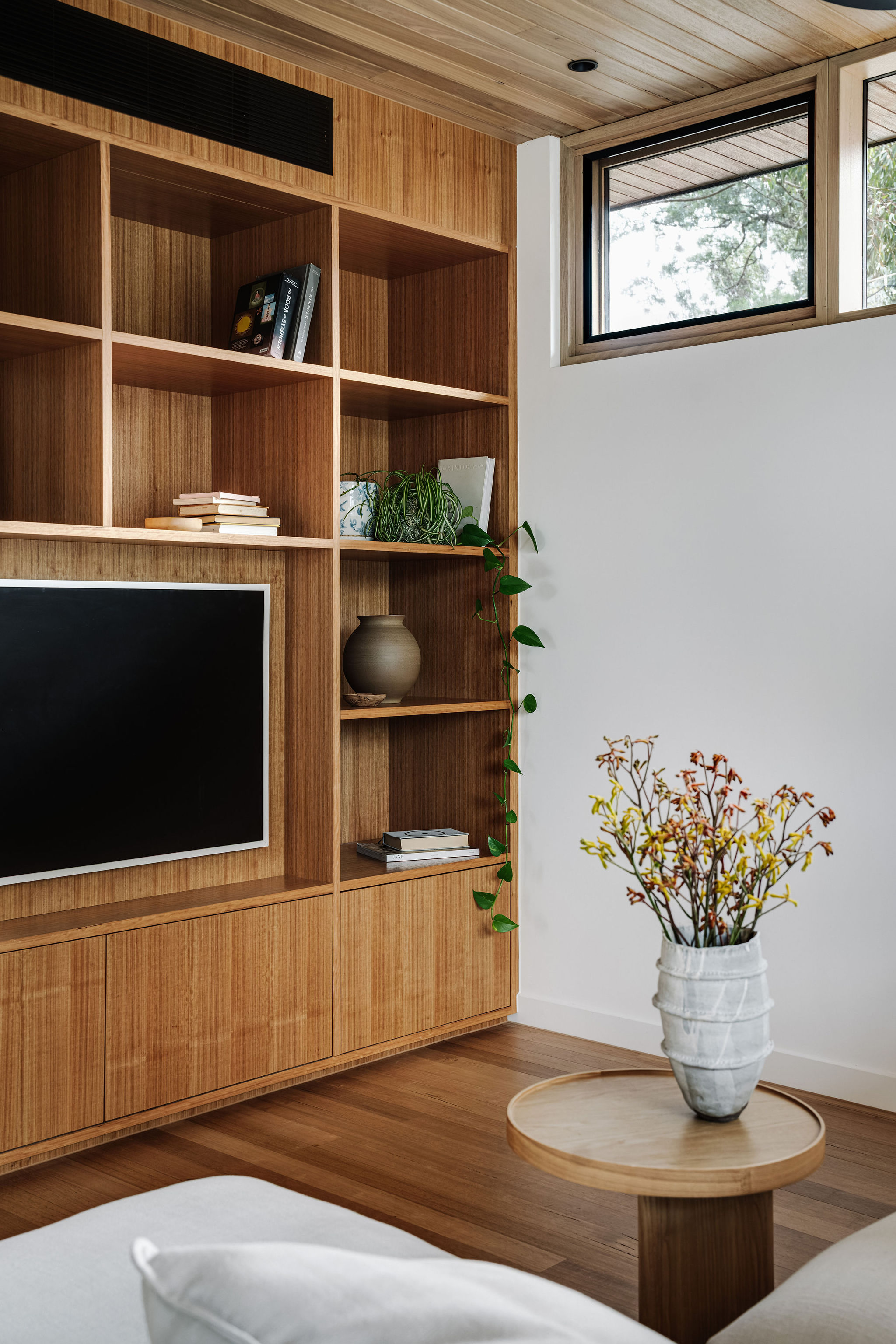
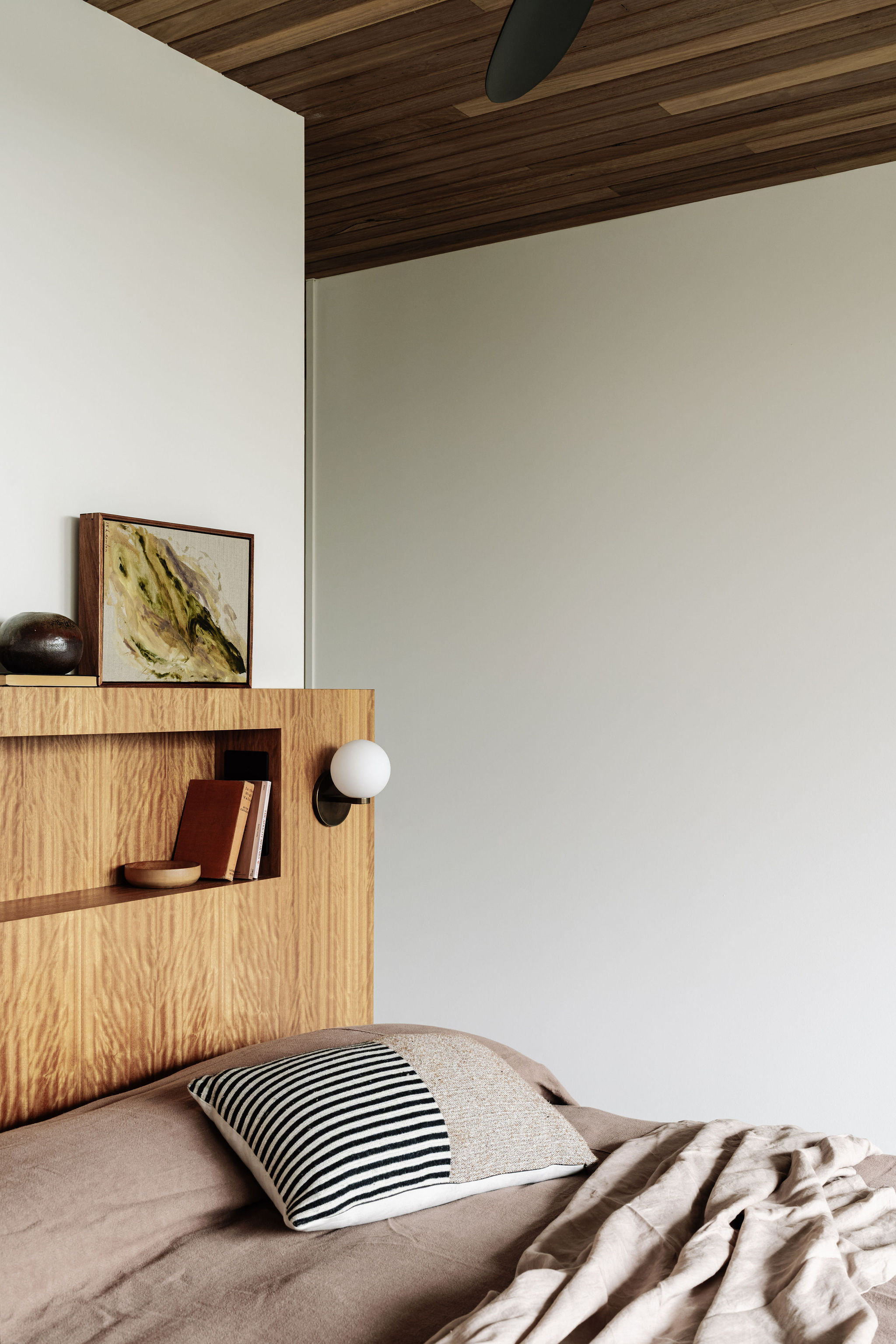
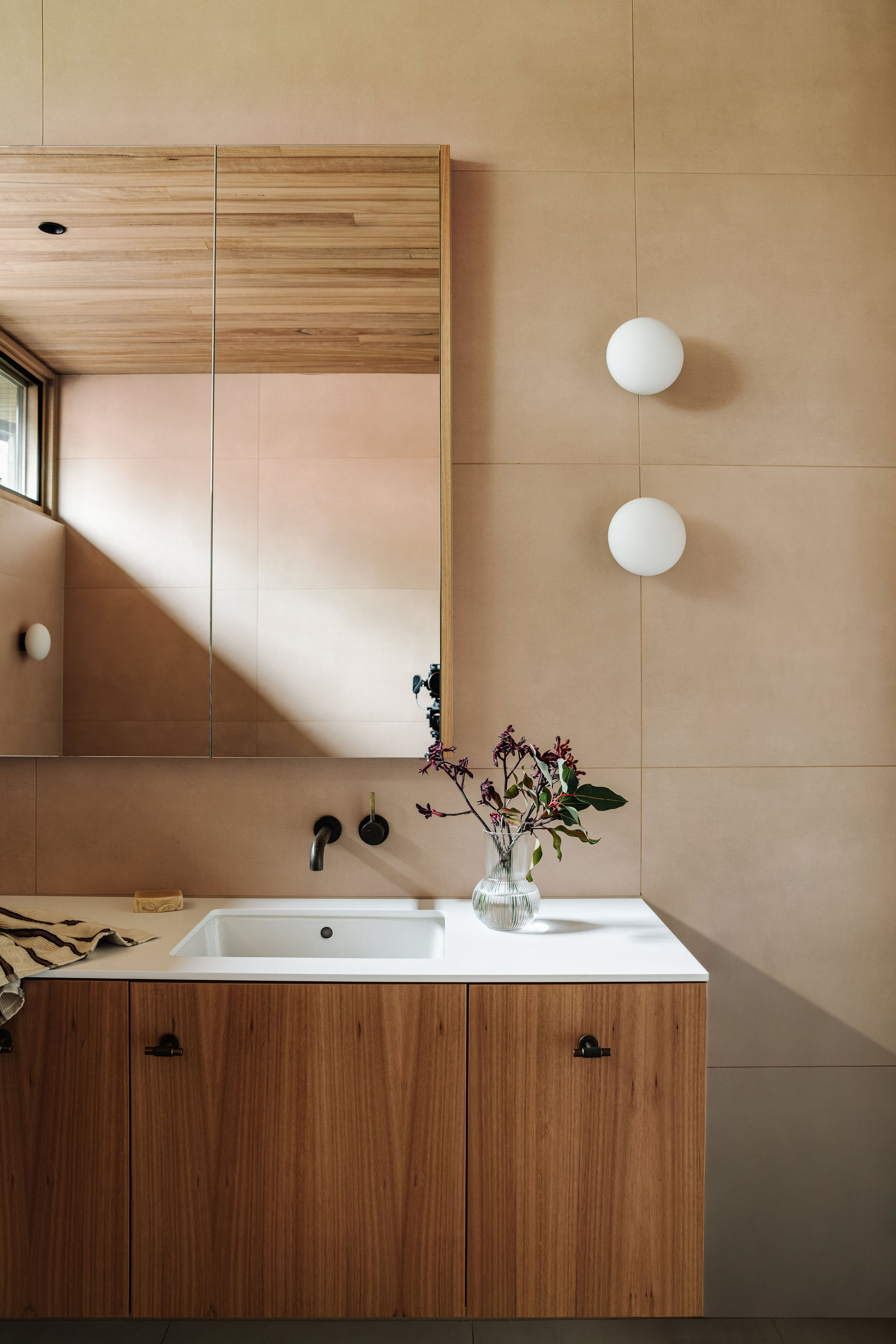
New finishes, including green mosaic tiles and blackbutt cabinetry and lining boards, complement the spirit of the original with a contemporary sensibility, reinforcing the connection with nature.
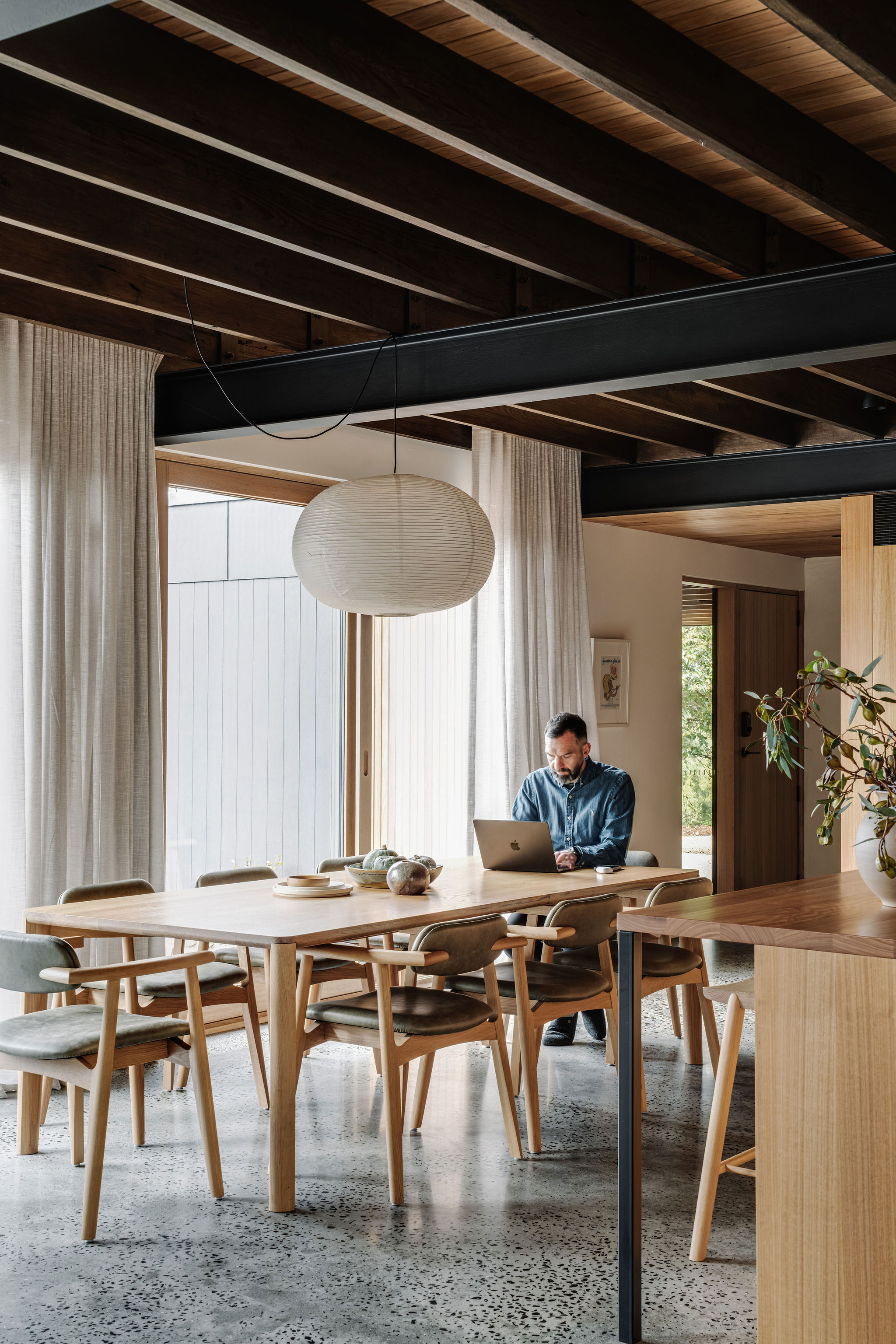
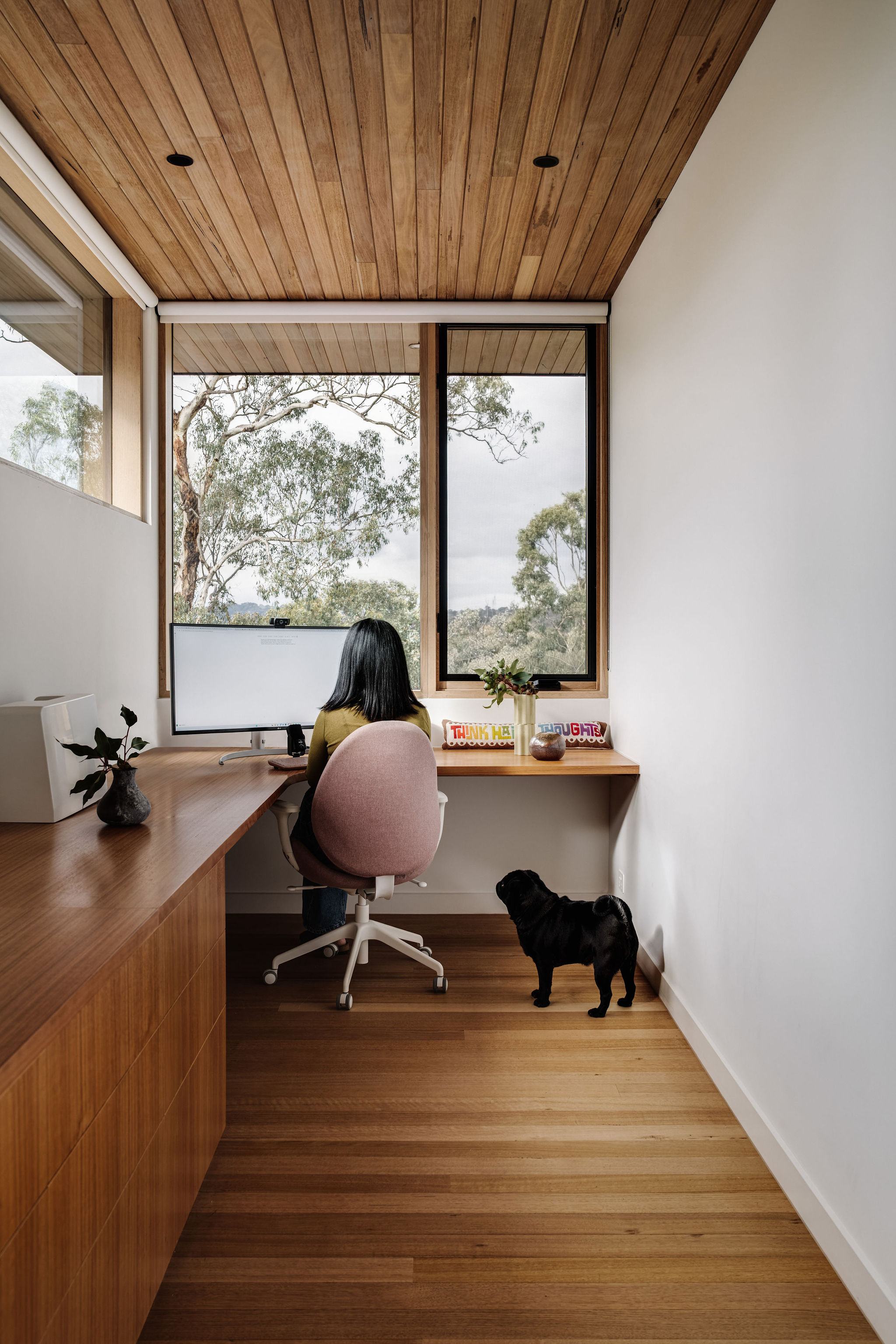
The transformed house now accommodates a family of four, with dedicated workspaces, secondary living areas and generous accommodation for overseas visitors. Its thermal envelope has been substantially upgraded through increased insulation and double-glazed, thermally broken aluminium-clad timber windows.

Read more
We love mud brick houses for their deepconnection to place. The experience of living within walls formed from the earthof the site itself. It is an ethos closely associated with Alistair Knox andhis philosophy of Living in the Environment, and one that continues toresonate with us and our clients today.
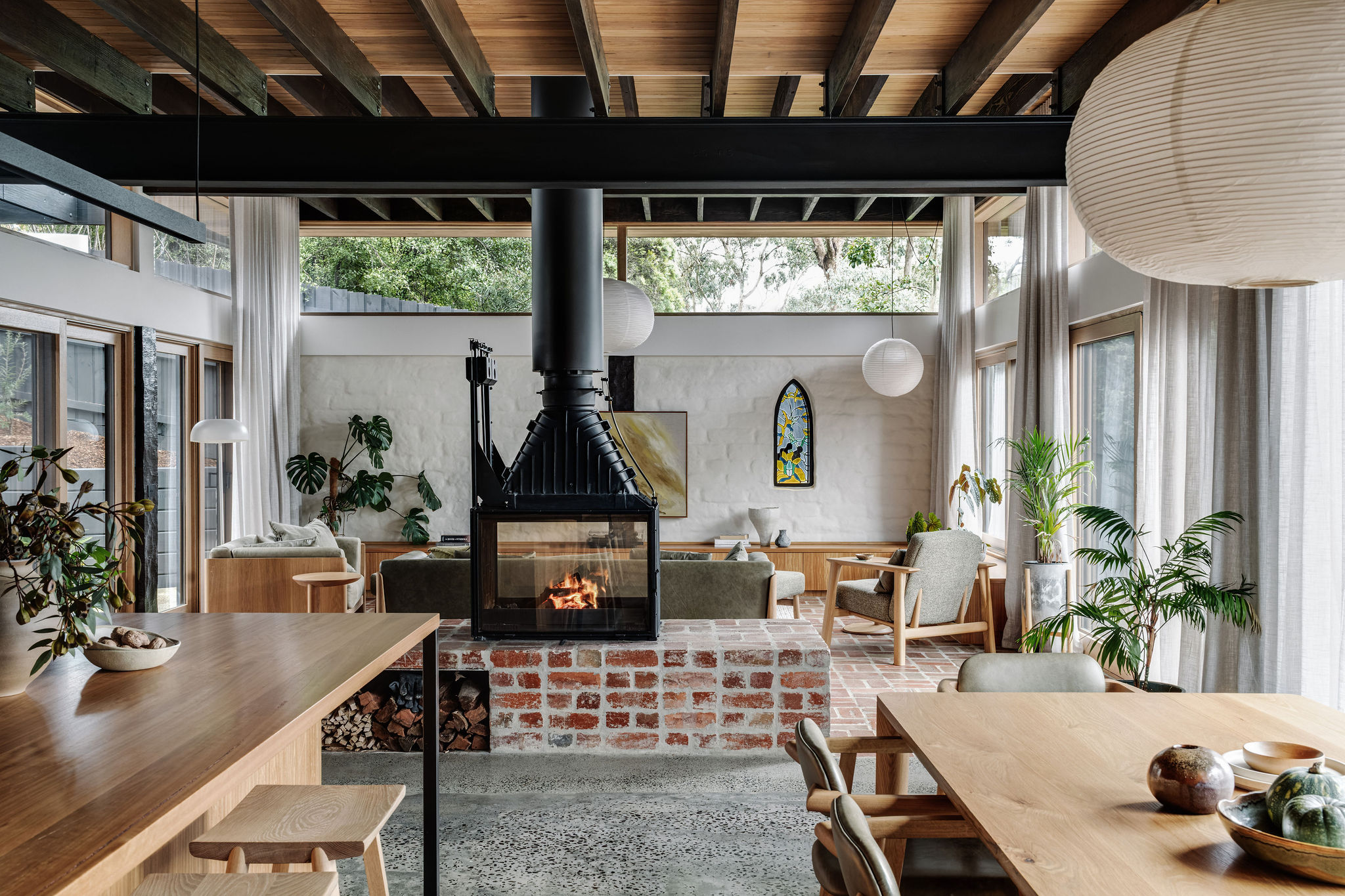
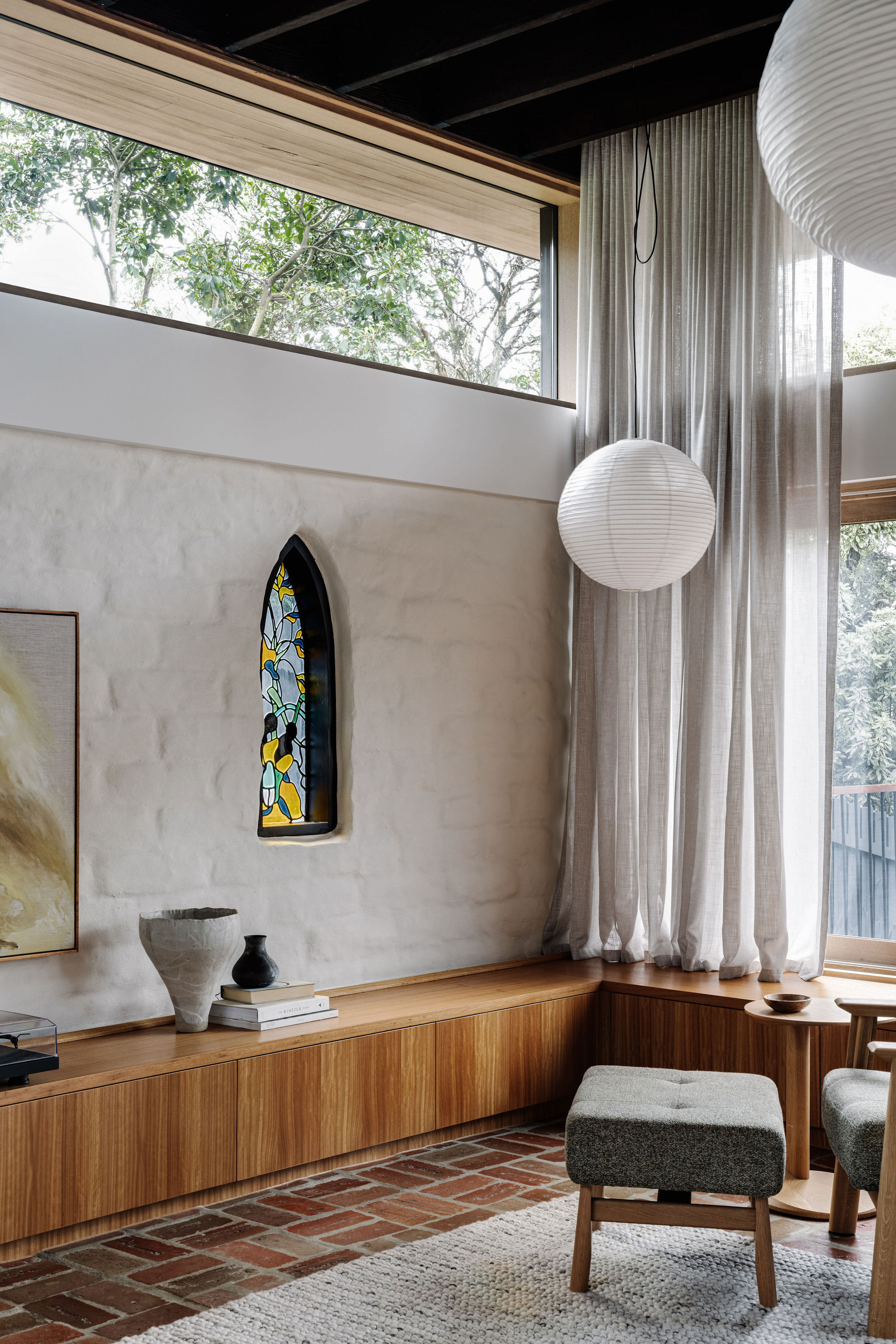
There is an unmistakable beauty in the raw, handmade quality of mud brick. Combined with the material language of the era, basketweave-patterned recycled red-brick floors, exposed timber rafters and dark-stained structural elements, these houses possess a warmth and authenticity intrinsically connected to Eltham.
Yet many are also dark, cold and thermally inefficient. While deeply connected to their environment physically and emotionally, they can struggle to meet the energy performance and spatial needs of contemporary family life. This project presented an opportunity to retain and celebrate the spirit and materiality of the original house while transforming it into a high-performance home for a modern family.
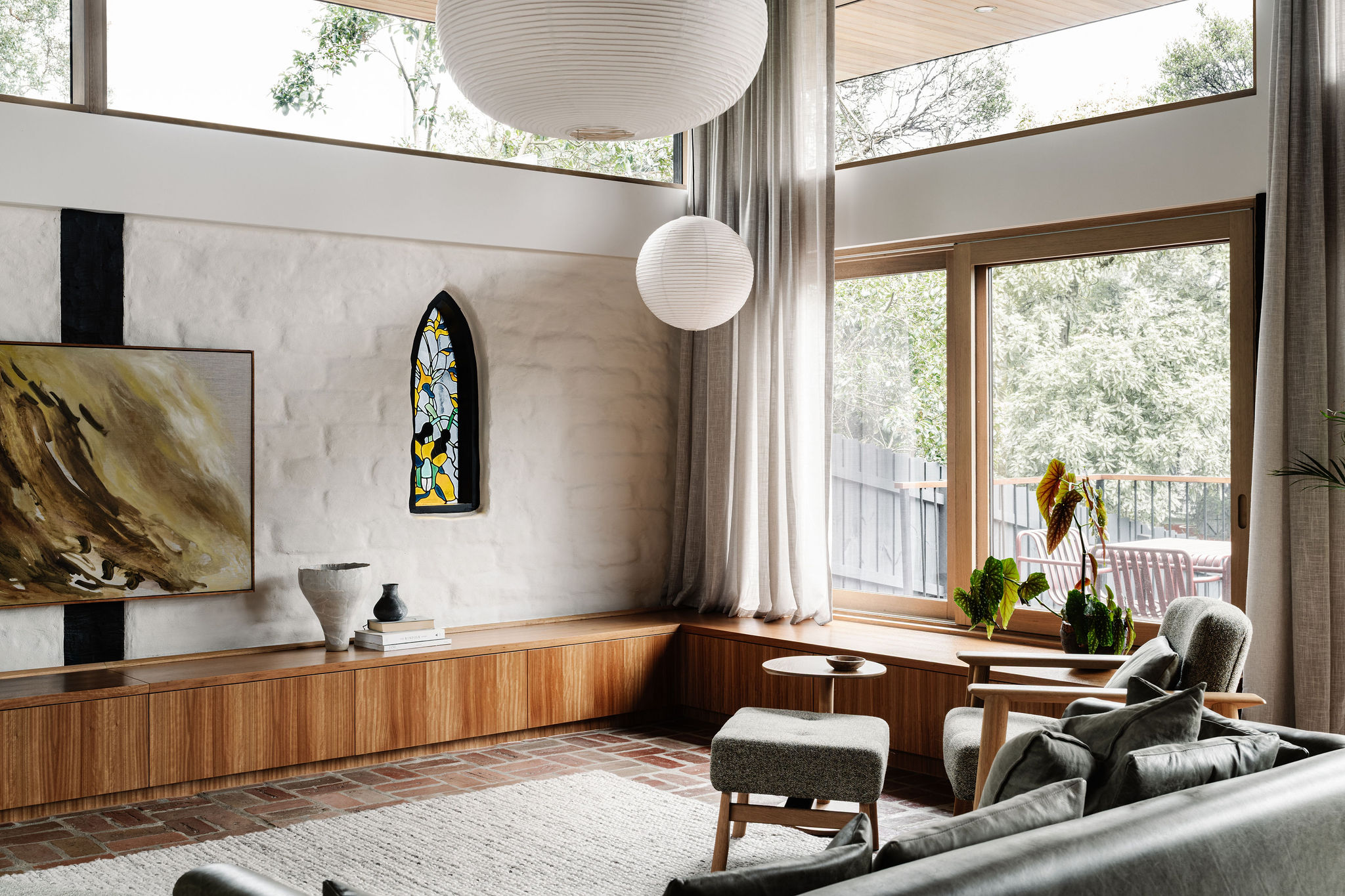
The existing house was, somewhat surprisingly, not originally a Knox house. Built in 1970, it was a modest single-storey brick-veneer dwelling with low ceilings and a simple rectangular plan. In 1973, Knox added a small wing containing a living room and two bedrooms. It was this later intervention that introduced the elements we love: basketweave brick flooring, exposed rafters and mud brick walls including a small stained-glass window.
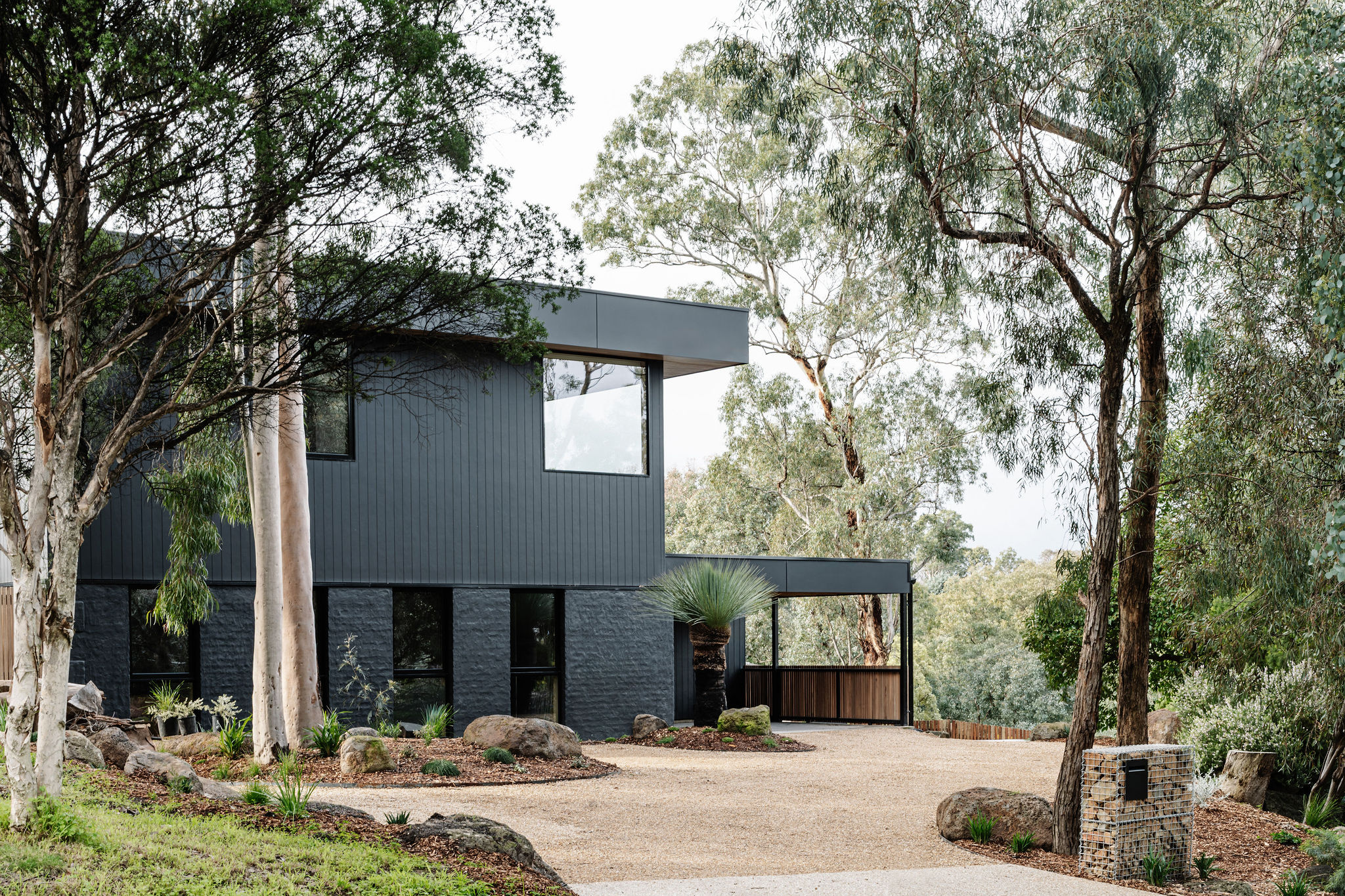
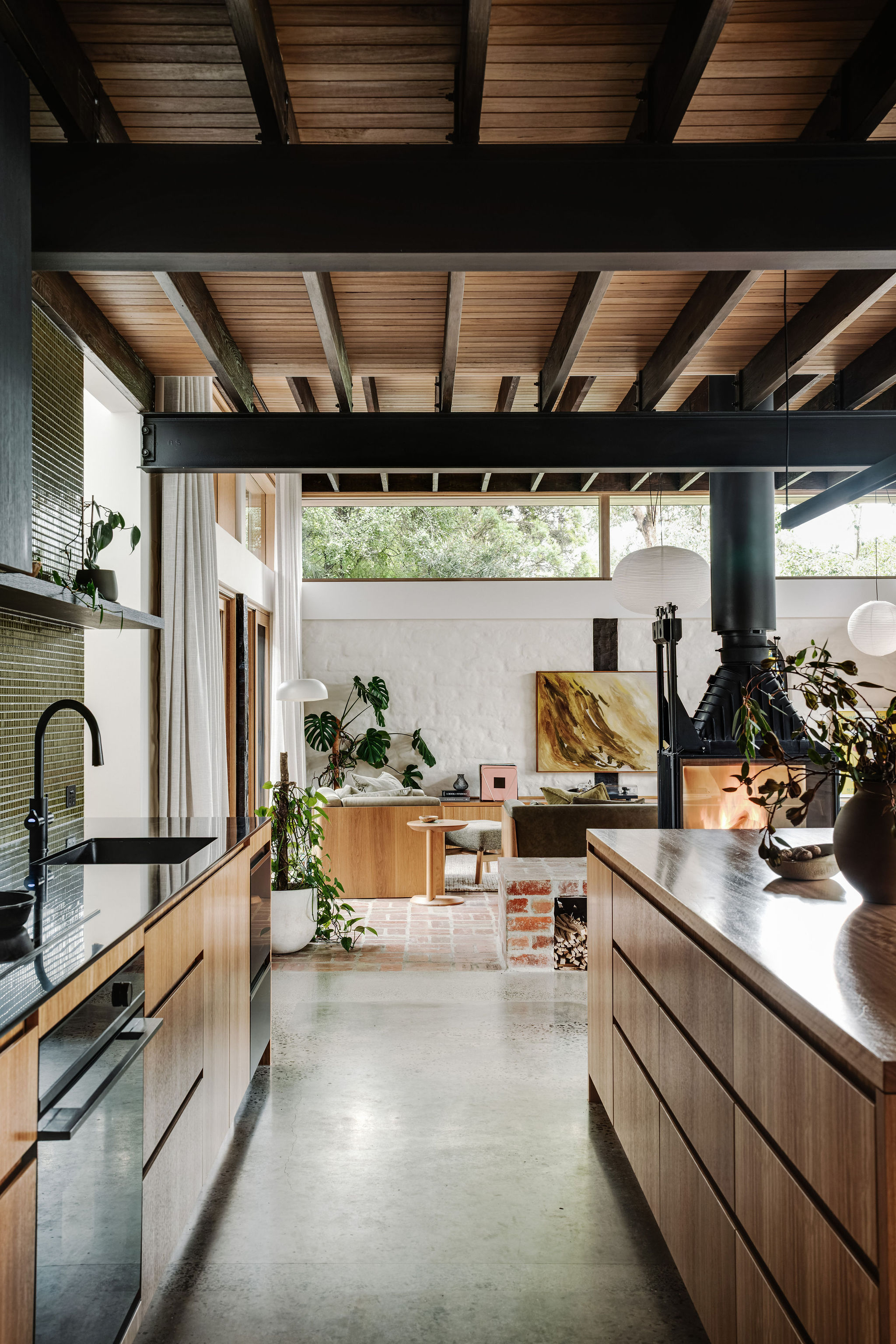
Our approach was one of retention, repair and transformation. The existing footprint was maintained in its entirety. The original concrete floor was retained and ground back, while the brick floor of the Knox addition was carefully preserved. The mud brick walls remain the heart of the home. Existing brick-veneer walls were largely retained, with new structural openings introduced and surfaces bagged to complement the texture of the mud brick.
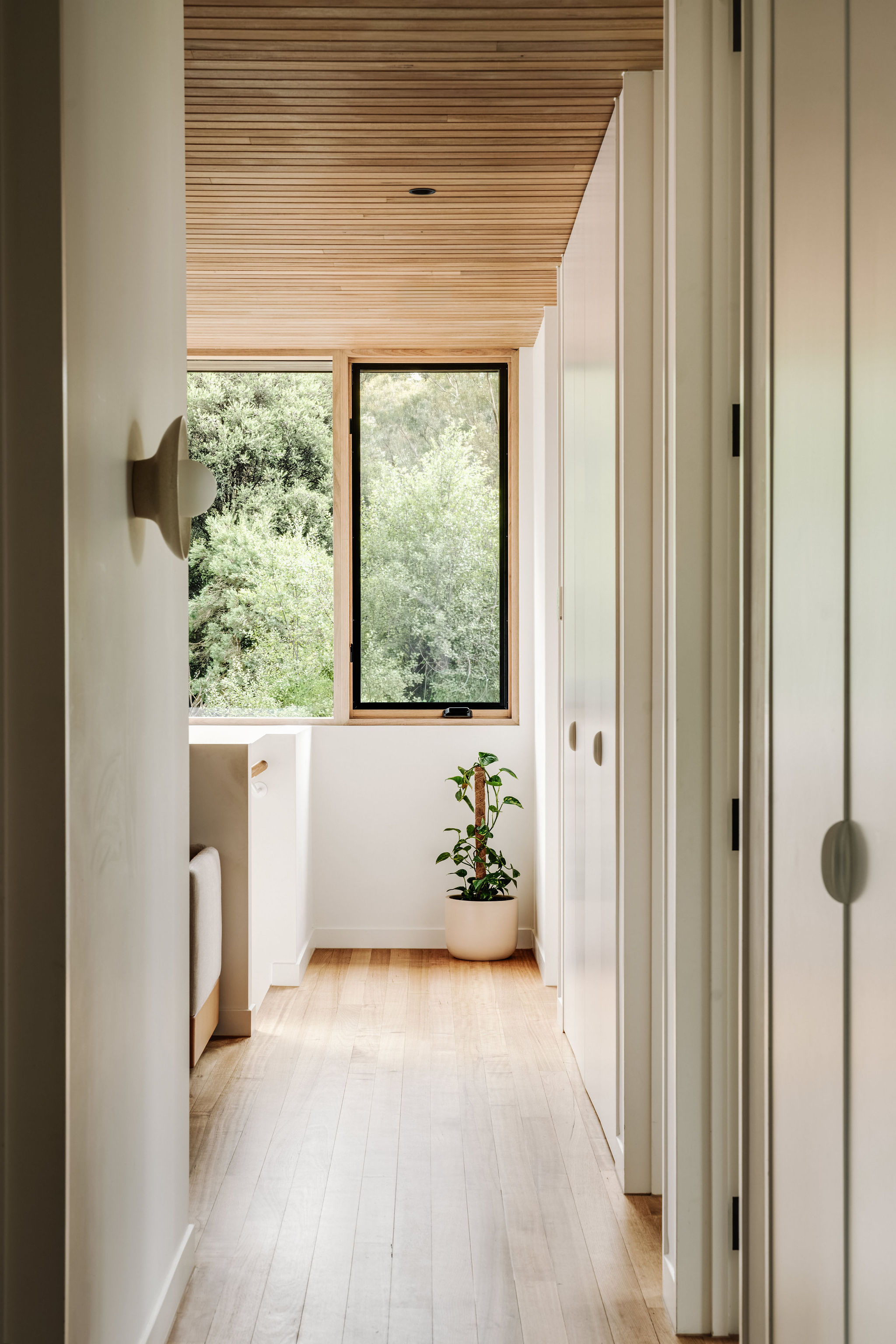
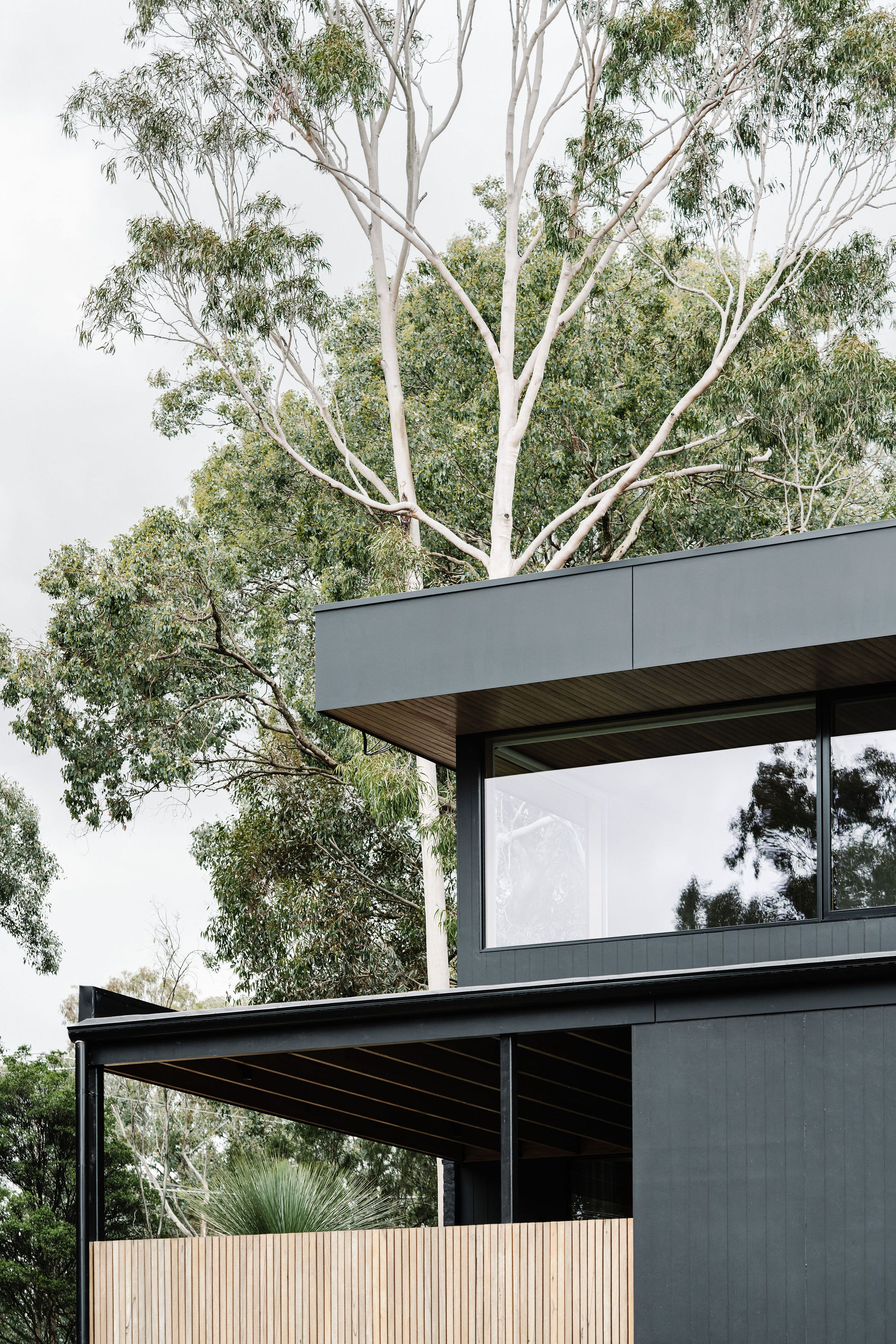
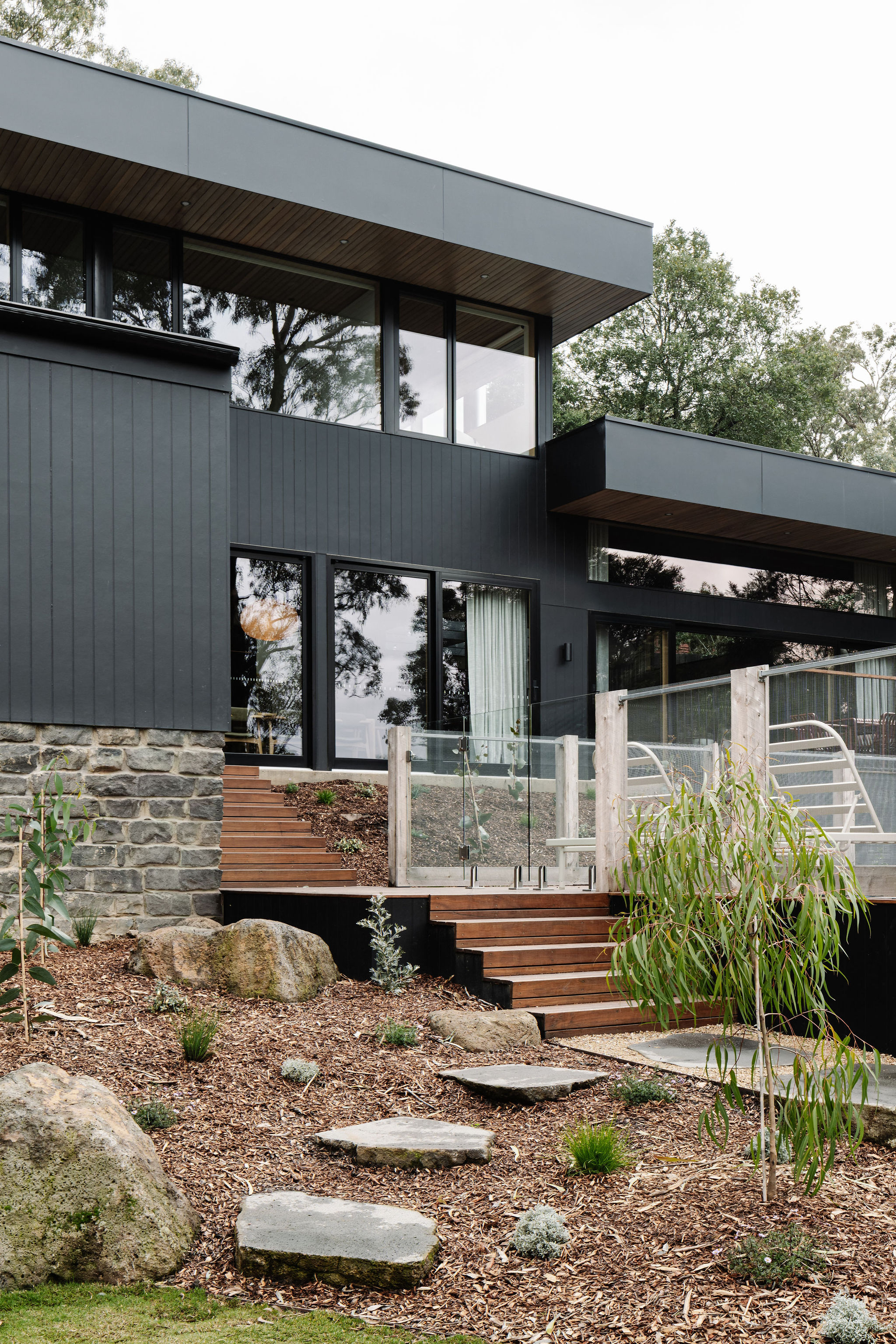
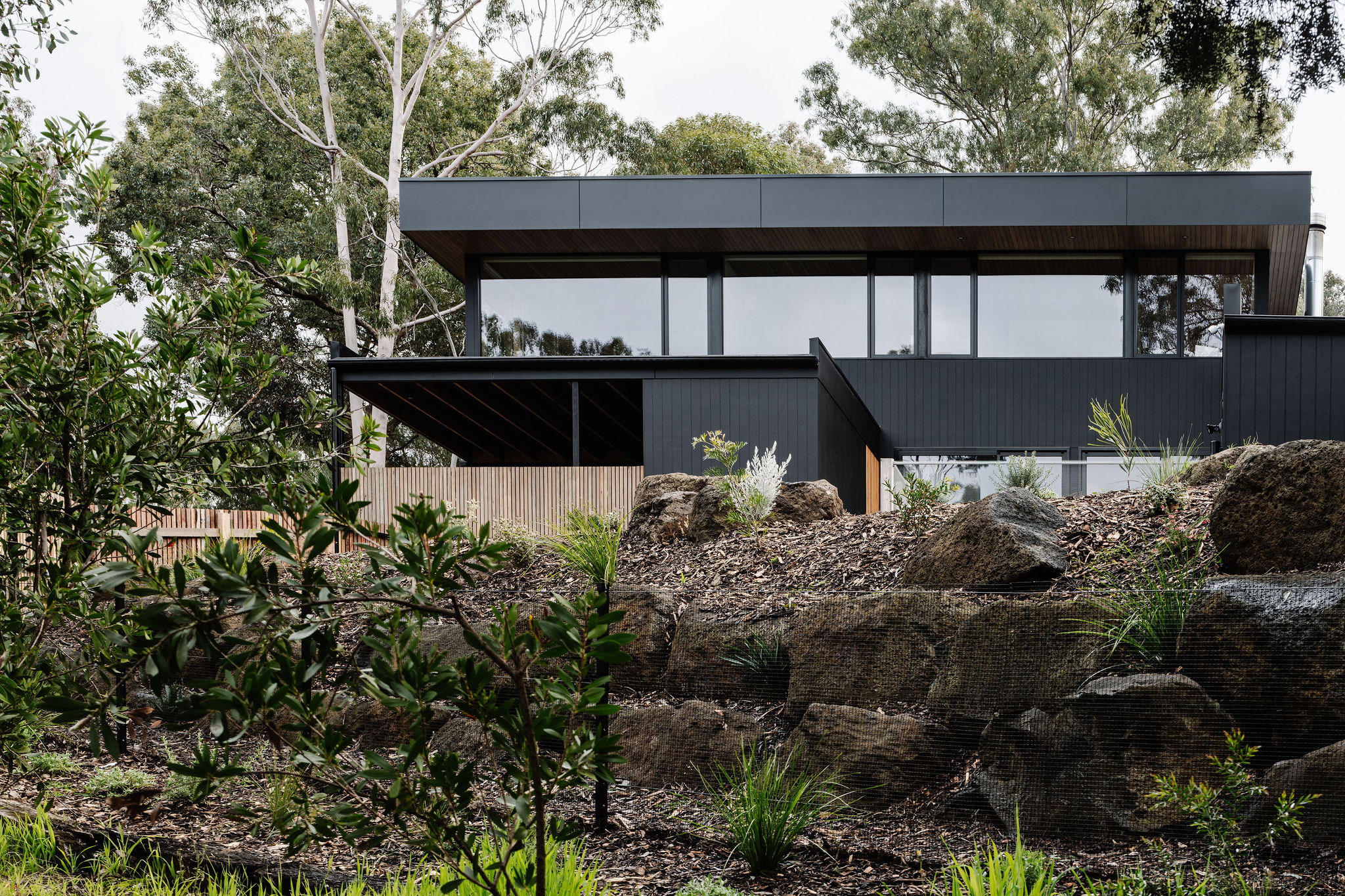
A new upper level occupies the footprint ofthe original 1970 wing, while the later upper floor over the Knox addition was removed. In its place, a soaring new ceiling draws northern winter sun deep into the living spaces, illuminating the mud brick and opening views towards the surrounding treetops. The original 1973 Oregon floor joists were carefully dismantled, sanded to remove their white paint and reinstalled as roof rafters at the new height, a continuation of the material story rather than a replica of the past.
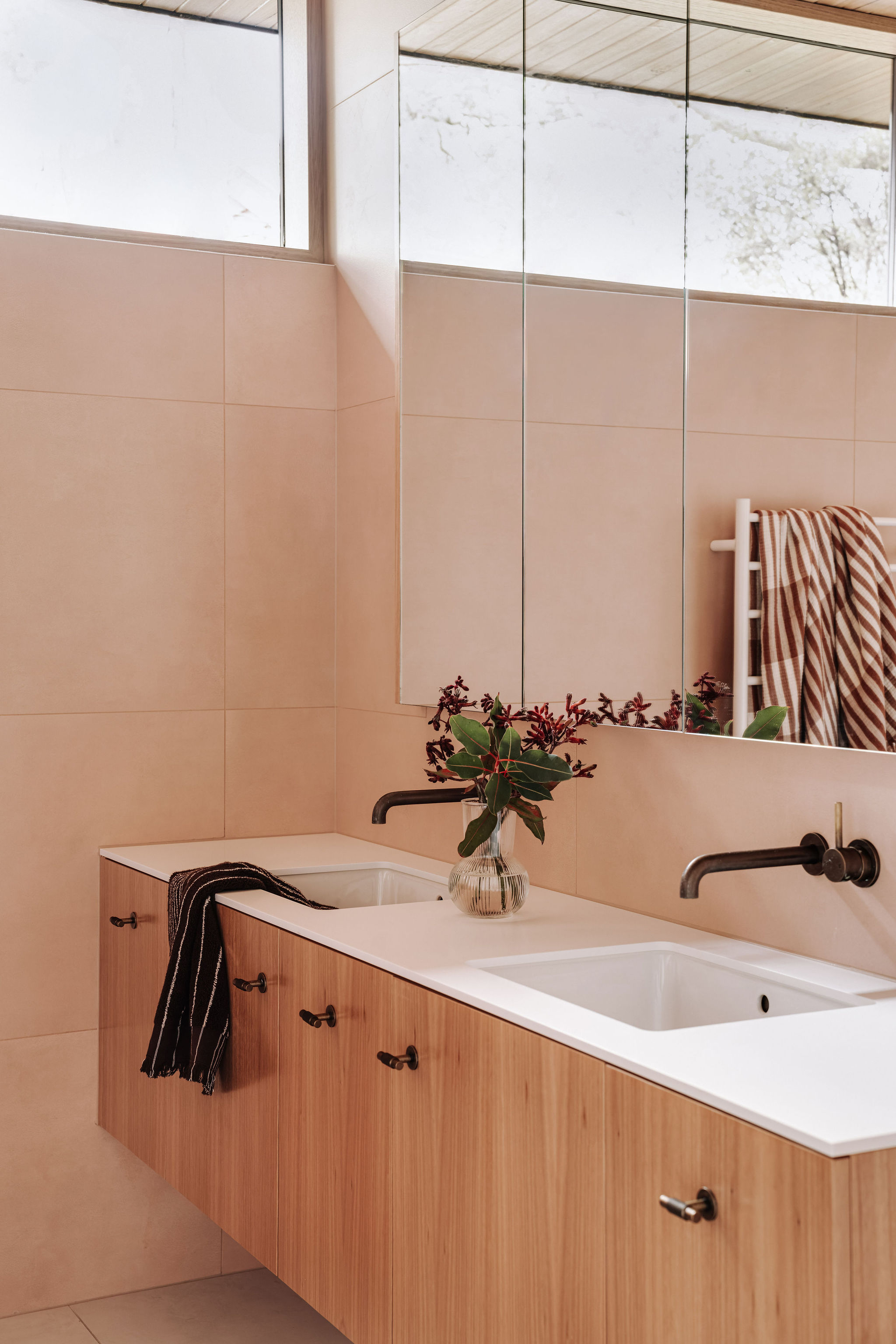
New finishes, including green mosaic tiles and blackbutt cabinetry and lining boards, complement the spirit of the original with a contemporary sensibility, reinforcing the connection with nature.
The transformed house now accommodates a family of four, with dedicated workspaces, secondary living areas and generous accommodation for overseas visitors. Its thermal envelope has been substantially upgraded through increased insulation and double-glazed, thermally broken aluminium-clad timber windows.
The result is a house that retains the tactile richness and spirit of its history while embracing light, warmth, comfort and contemporary life, a renewed expression of Knox’s enduring idea of living in the environment.


